
KEY LARGO, Fla. — In a race against warming seas and coral disease, Florida Aquarium scientists joined a 12-night, multi-agency effort in the Florida Keys that produced 61,000 baby elkhorn corals — including brand‑new genetic combinations never bred before.
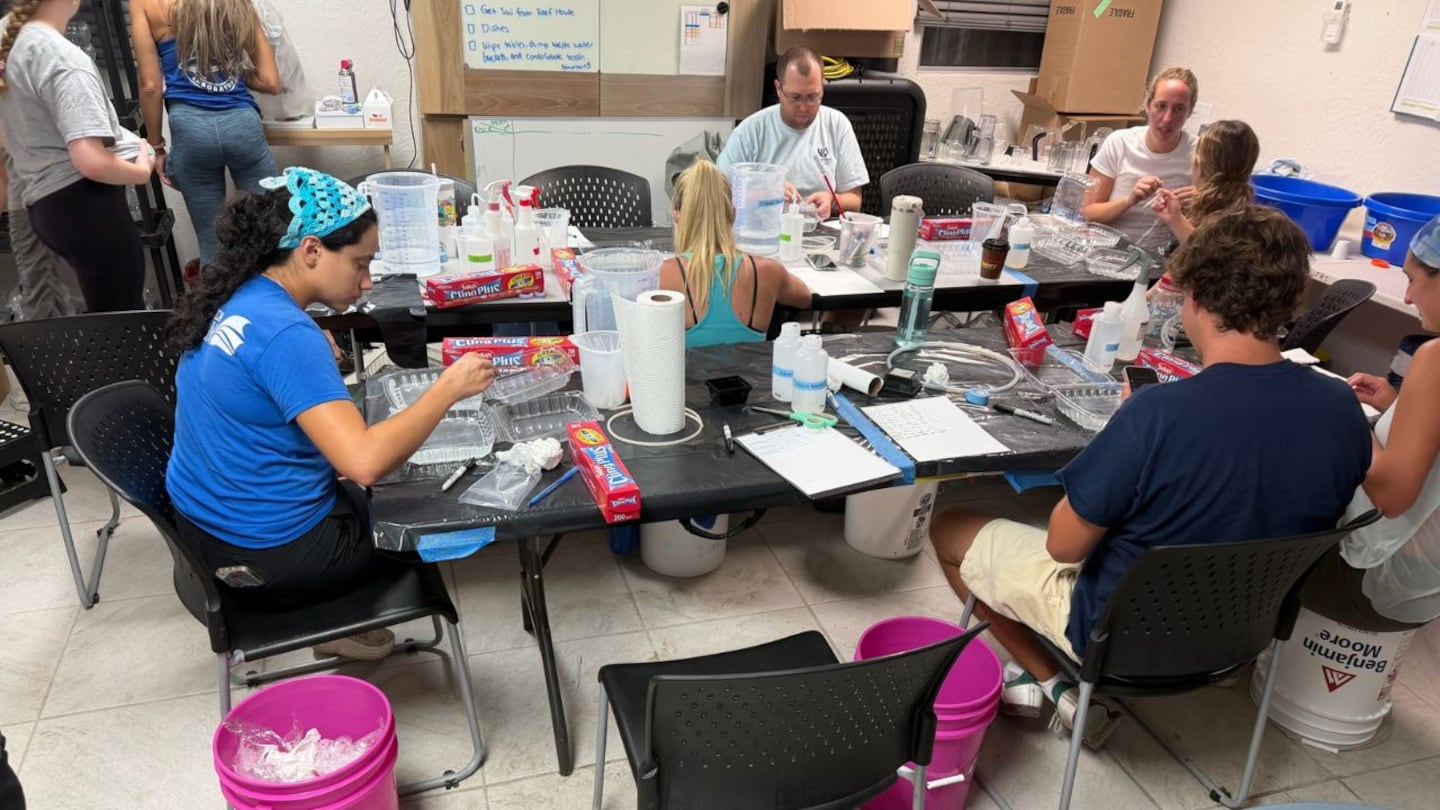
The work is part of a larger, NOAA‑funded push by 12 research and conservation groups to rebuild Florida’s Coral Reef, which has been battered by repeated bleaching events and a deadly stony coral tissue loss disease.
During the first week of August, dive teams collected eggs and sperm from elkhorn coral colonies grown at Reef Renewal USA’s ocean nursery off Tavernier, then rushed the gametes to a pop‑up lab for precise, assisted fertilizations.
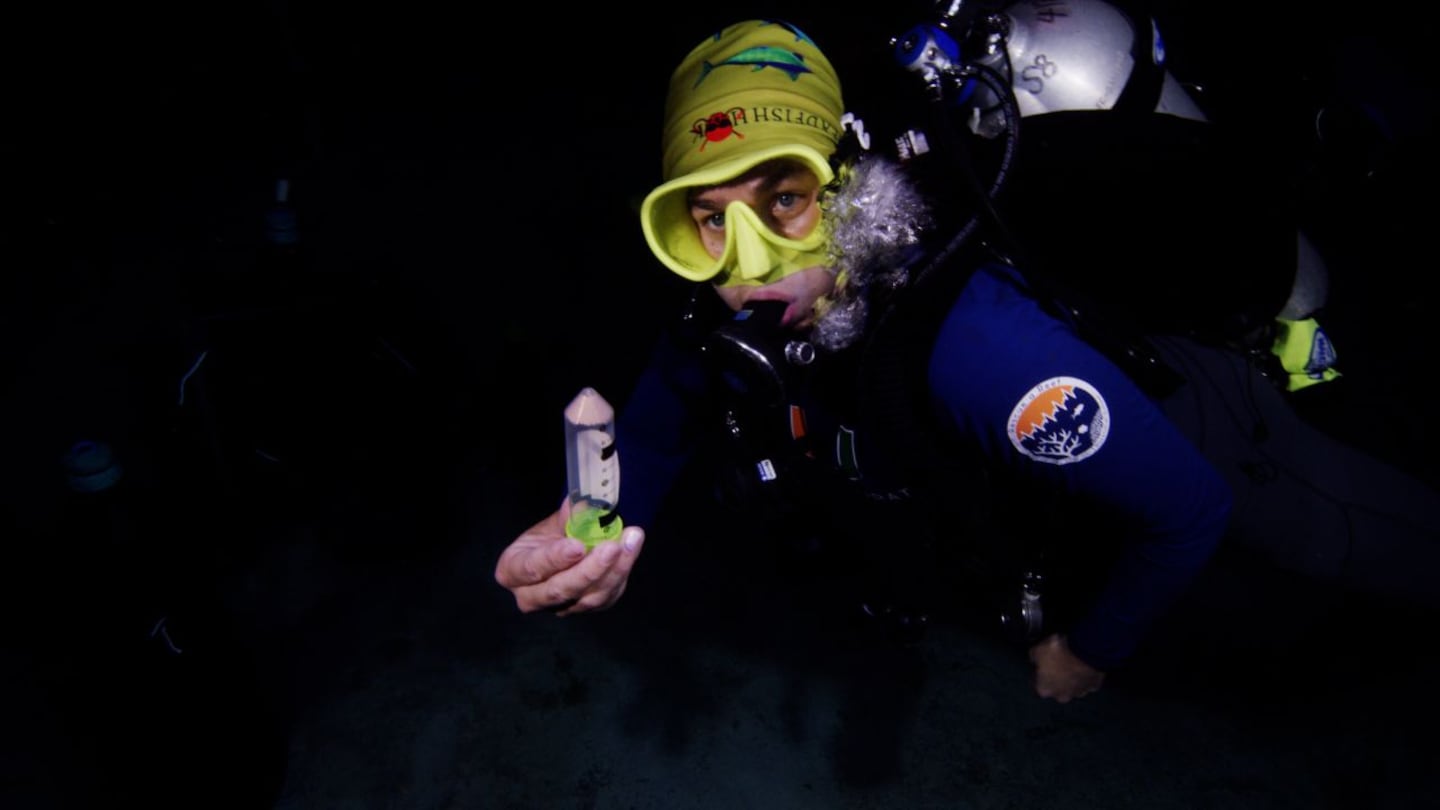
The result: 61,000 elkhorn coral larvae from 101 unique genetic crosses. About 20,000 of the larvae are now at The Florida Aquarium’s Coral Conservation and Research Center in Apollo Beach, where staff will raise them through their earliest, most fragile life stages.
The rest were distributed to Mote Marine Laboratory & Aquarium, The Reef Institute and the University of Miami.
While the spawning happened offshore of the Keys, the payoff is statewide. The Apollo Beach facility is one of the region’s key coral “nurseries,” turning microscopic larvae into juvenile corals that can eventually be planted back onto reefs.
Click here to download our free news, weather and smart TV apps. And click here to stream Channel 9 Eyewitness News live.

©2026 Cox Media Group


