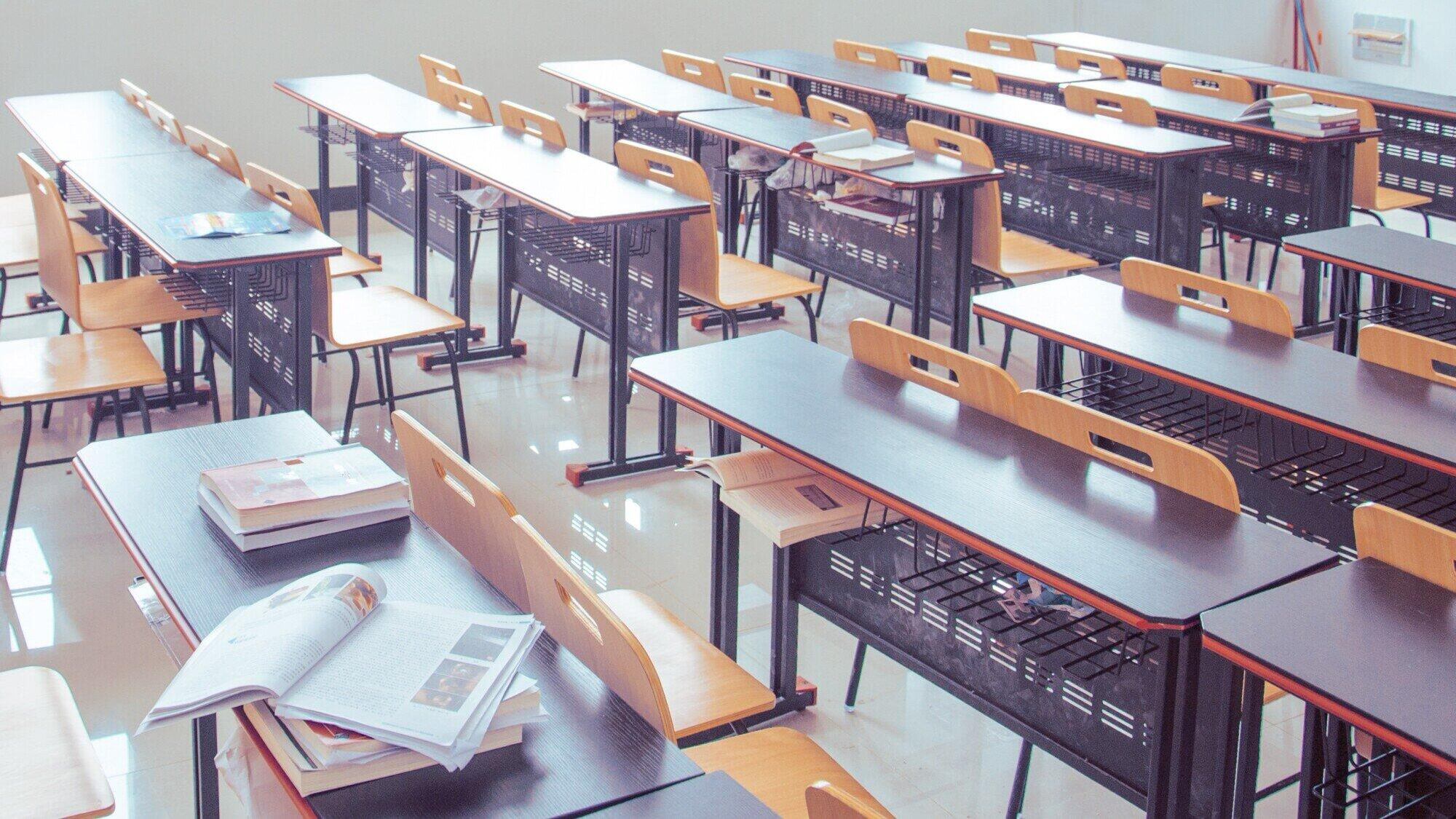
Your child's classroom design is vital in improving their learning experience. It not only affects their drive and engagement, but also their performance.
Reports from eSchool News show that 92% of teachers believe classroom design strongly affects students' learning. Your kid's environment influences their behavior, mood, and ability to focus or concentrate. As a parent, you want to ensure your child is in an environment that fosters creativity and learning.
If you want a positive impact on your child's engagement, you must understand the importance of classroom layout and partner with educators to create effective learning environments.
What Is the Meaning of Classroom Design?
Classroom design is the intentional arrangement of students' physical learning space. It includes;
- The color on the walls
- The room's lighting
- The placement of chairs, tables, and desks
It is about how your child's classroom looks. A conducive learning environment will make your kid feel:
- Welcomed
- Safe
- Eager to learn
What Makes A Good Classroom Design?
A study reported by MDPI shows that classrooms can support well-being and improve learners' academic performance. Here are ergonomics in classrooms that promote learning:
Lighting
Good lighting in the classroom can improve student learning and development. If your child's class has proper natural light, you can expect your kid to have a good mood that creates a positive learning atmosphere.
Light regulates your child's circadian rhythm, improving their focus. Once a kid stays alert in class, they're likely to have better academic outcomes.
Well-designed lighting also improves visibility. Your child doesn't have to strain to see what's in their books or on the board.
Biophilic Design and Integrating the Natural Environment
There is a growing interest in the integration of natural elements in the classroom and their effects. Using biophilic design principles involves using:
- Views of nature
- Natural materials
- Organic elements fitted into built environments
These features in classrooms can reduce stress and boost concentration. If your kid is in a class with views of natural landscapes, they're likely to have better creative thinking. These benefits are a result of the restorative properties of nature, which reduce the effects of mental fatigue.
Furniture Design and Seating Arrangements
Classroom furniture design and seating arrangements shape learning experiences. Well-designed furniture from American Made Custom Commercial Cabinetry will help your kid stay comfortable and engaged during learning activities.
Modern classroom furniture design offers flexibility, catering to the different learning needs. Moveable furniture systems allow teachers to recreate spaces that support individual or collaborative work as needed.
Adding Color to the Classroom Design
Color psychology can take your child's classroom design to the next level. When you apply them well in the classroom, they can help create a conducive learning environment that supports your little one's success.
Classrooms with warm colors, such as yellow, create an inviting environment for creative thinking and social interaction. If educators want to create rooms that support concentration, use cooler colors around the room.
Acoustic Design
Acoustic design is an important part of classroom layout. To have a classroom with good sound management, you have to focus on:
- Room geometry
- Attention to external noise sources
- Strategic placement of sound-absorbing materials
Poor acoustics make comprehension difficult, leading to teacher fatigue. However, these features can boost learning conditions. Properly designed acoustics in the class where your child benefits from clear communication.
What Is the Impact of Classroom Design on Student Learning?
Classroom design is an integral part of your child's learning. Here is how a student-centered design in the classroom affects your child's learning:
Concentration and Focus
Proper ergonomics in classrooms removes visual and auditory distractions, improving focus. Nose control, organized spaces, and good lighting create an undistracted learning space. Well-cushioned furniture also prevents body aches that can distract your kid while studying.
Engagement and Motivation
A conducive classroom design has a lot of impact on student engagement. If your kid has varied seating options and flexible arrangements, they'll feel a sense of ownership and comfort that motivates them to participate actively in class.
Creativity and Critical Thinking
Classroom designs create spaces that motivate your child to think critically. Walls with exciting colors and designs can also make them very imaginative.
Social Interaction
Effective learning environments provide cosy shared spaces for kids. This structure often avoids sticking to a regular classroom format. Having such spaces encourages informal talks and engagement in group activities.
Teacher-Student Relationship
Your child's classroom should have a layout where the students and the teacher can see each other. It makes your kid feel like they're part of something. Additionally, it reassures them.
The position of the teacher's workstation should be accessible at all times. It makes communication easy, offering guidance for activities.
Organizational Skills
A good classroom design improves organization. It features specific areas of work, making provision for seating and storage. With proper markers, your kid can use them to arrange themselves, reducing stress.
Frequently Asked Questions
What Is the Perfect Classroom Size?
The average size of a class space in the US is about 900 square feet. Most classes often vary between 700 and 1,100 square feet. These dimensions apply to most schools for normal educational activities.
Classrooms are usually square or a bit rectangular. A common class layout measures approximately 30 feet by 30 feet. Ceiling height is nearly nine feet.
What Makes An Ideal Classroom?
The classroom allows teaching and learning to take place. These four walls of a classroom sum up life-changing interactions between your kid and the teacher and their students.
While nothing is 100 percent perfect, an ideal class should have a student-centered design. In this class, the teacher is a facilitator who engages learners with personalized learning opportunities.
The ideal classroom also has a teacher who can make changes where needed. They will often recognize when learners are struggling and offer extra help.
What Are The 5 P's of Classroom Expectations?
The 5 P's include:
- Polite
- Prompt
- Productive
- Prepared
- Patient
It helps support expectations in the classroom. As a teacher, you can use it for behavior management.
Improve Classroom Design for Better Learning Outcomes
A school with a proper classroom design creates the right atmosphere that improves student success. As a parent, you should assess the physical space before enrolling your child in a school. Proper assessment will help improve literacy outcomes for your loved ones.
Subscribe to our newsletter to get more lifestyle tips.
This article was prepared by an independent contributor and helps us continue to deliver quality news and information.


