ORLANDO, Fla. — Twenty-five years ago, one man’s decision at Orlando International Airport may have changed the course of history.
One month before the September 11 attacks, immigration inspector José Meléndez Pérez refused to let a suspicious traveler enter the country.
That man would later be identified as the suspected twentieth hijacker.
Channel 9’s Alexa Lorenzo sat down with Meléndez Pérez as the nation marks 25 years since the attacks.
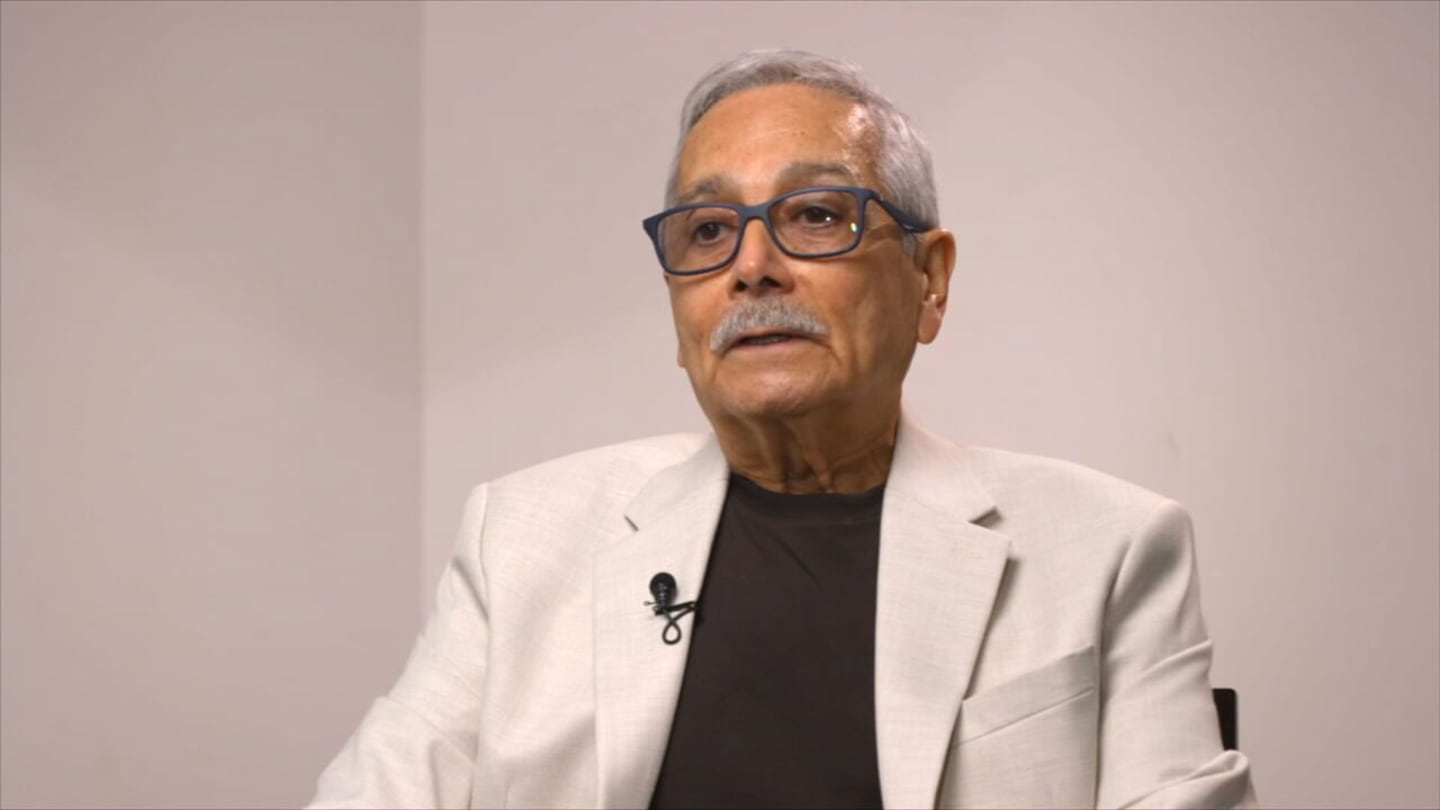
When asked whether it feels like 25 years have passed, Meléndez Pérez said, “It seems like it was yesterday.”
On Aug. 4, 2001, Mohammed al Qahtani had just arrived at Orlando International Airport from Saudi Arabia.
His passport was valid. So was his visa.
But he had no return ticket, no place to stay and no clear reason for coming to the United States.
The veteran immigration inspector had a feeling he could not ignore.
“It was evil. I could see evil in his eyes,” Meléndez Pérez said.
After more questioning, Meléndez Pérez denied al Qahtani entry and sent him back on the same plane he arrived on.
But before al Qahtani boarded, he turned and delivered a message.
“I’ll be back,” Meléndez Pérez recalled him saying.
Thirty-eight days later, America was attacked.
As a wave of grief swept across the country, a sense of urgency hit Meléndez Pérez.
“I called the airport, and I told them to look for the record for Qahtani,” he said. “Please give it to the FBI. Something clicked.”
Investigators would later identify al Qahtani as the man believed to be the intended twentieth hijacker, possibly assigned to United Airlines Flight 93.
It was the only hijacked plane with four terrorists instead of five.
Passengers fought back, and the plane crashed in a Pennsylvania field before reaching its target of Washington, D.C.
Meléndez Pérez received praise when he testified before the 9/11 Commission in 2004.
“Your actions may well have contributed to saving the Capitol or the White House,” he was told during the hearing. “And for that, we all owe you a debt of thanks and gratitude.”
More than two decades later, awards and memorabilia adorn the walls of his home. He also often hears the same words from people who recognize him.
“You’re my hero. You’re my hero,” he said.
But Meléndez Pérez still does not accept that title.
“They have said it so many times, and they want me to believe it,” he said. “But, you know, I stand with my belief that I was doing my job.”
The realization of what he may have prevented has never left him.
Neither has the pain of what he could not prevent.
“It was hard to see so many people die, jumping from the towers,” Meléndez Pérez said. “It was hard.”
As 25 years pass, what he said he saw in al Qahtani’s eyes that day has not faded.
“I will never forget that face,” he said.
Lorenzo asked Meléndez Pérez whether he believes he was placed in that room, in that moment, for a reason.
“Yes, I do believe that,” he said. “No doubt in my mind. I do believe in God.”
When asked what his prayers were like after September 11, Meléndez Pérez said he prayed for the victims and their families.
“I always pray for them, for the families and the ones that died because of some evil people,” he said. “Because we could have stopped them. We could have stopped them.”
The 9/11 Commission also found the plot’s leader, Mohamed Atta, was at the Orlando airport that August day and was believed to be waiting for al Qahtani.
Al Qahtani was captured in Afghanistan in 2001 and held at Guantanamo Bay for more than two decades.
In 2022, he was transferred back to Saudi Arabia for mental health treatment.
Click here to download our free news, weather and smart TV apps. And click here to stream Channel 9 Eyewitness News live.

©2026 Cox Media Group