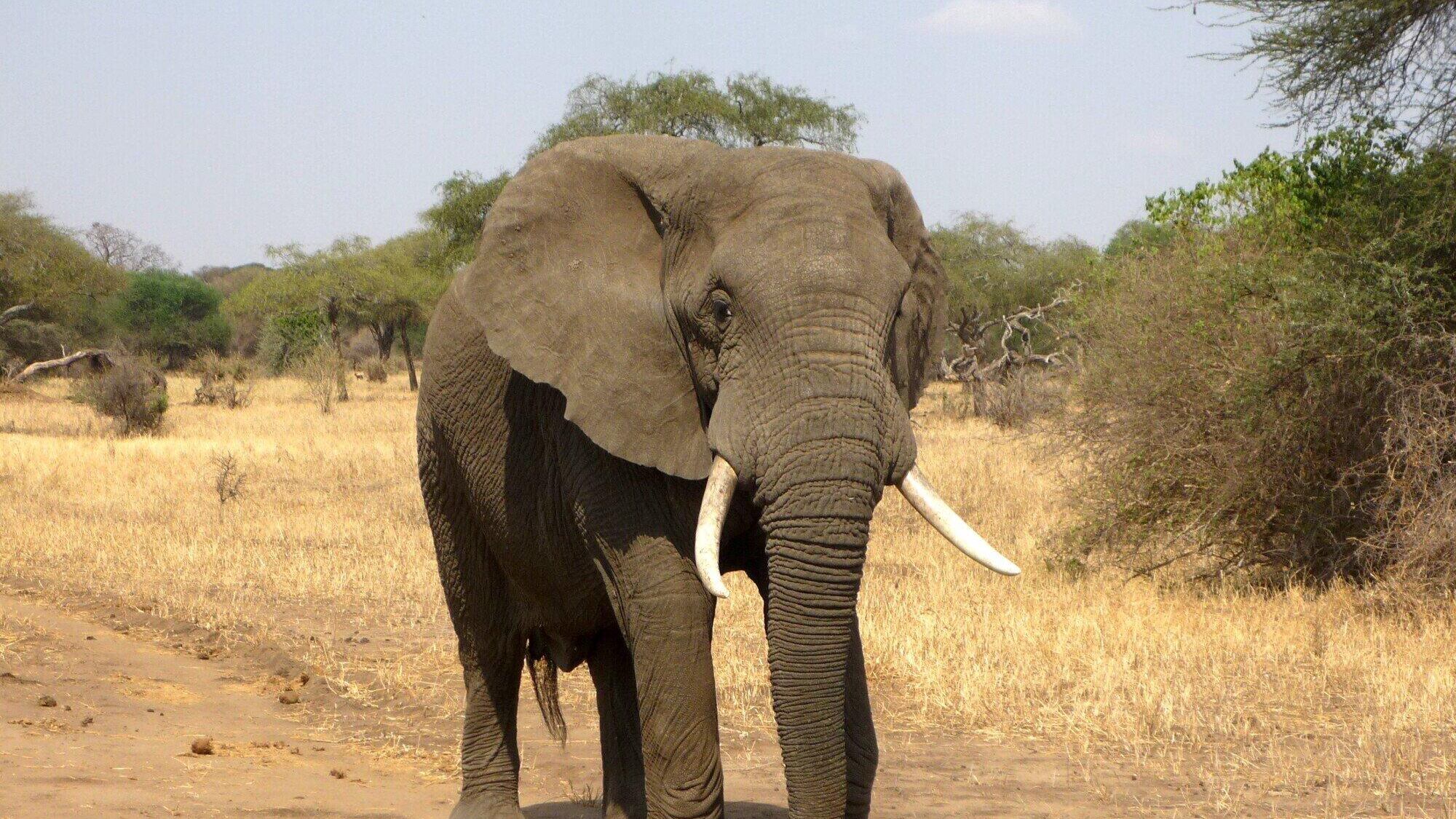
Most of those who will be first-time travelers on an African safari don't consider basic things like the best time to visit, what to realistically expect in terms of comfort, tipping culture, and how the weather affects sightings. To know this ahead makes for a more enjoyable, safe, and appreciative journey.
Many travelers dream of an African safari swarming with lions by day and elephants at night. The concept is exciting; the potential for this makes you want to stand up and cheer.
But travelers often overlook the basics that can make a world of difference in terms of convenience, security, and enjoyment. A safari is full of wonder, but the trick is knowing what to expect, when to go, and how best to be prepared.
The more you know about lodging styles, travel distances, weather changes, and wildlife habits, the easier and pleasant a trip can be. The idea is not just to view animals but to appreciate the environment and adopt nature's pacing. Patience and presence are rewarded when you travel on the safari.
What Is Considered the Best Safari in Africa?
Incredible wildlife viewing is available in many areas. The finest of these are in Tanzania (Serengeti) and Kenya (Masai Mara), which consistently top the lists for one reason: the Great Migration. Botswana's Okavango Delta is renowned for its waterways, bird life, and sense of remoteness.
South Africa's Kruger National Park is accessible and has options for accommodations. Each area has a unique landscape and species. The right safari varies based on a traveler's:
- Preferred atmospheric feel
- Travel style
- Wildlife interests
What Is the Best Month to Go On an African Safari?
The dry season often provides the best visibility because foliage is thinner and animals gather near water sources. The general dry season window runs from June to October across many regions. Shoulder seasons in May and November can also offer strong sightings with fewer crowds.
Rainy season safaris offer lush scenery and lower rates, though wildlife may be harder to see. Weather, pricing, and migration patterns all play roles in selecting timing.
Understanding the Pace of Safari Travel
Expect days to unfold slowly. Wildlife appears on its own timeline. Game drives often begin before sunrise and extend for several hours. Breaks in the day allow for rest and reflection.
The journey encourages patience. First-time safari travelers often underestimate how stillness is part of the experience.
Recognizing the rhythm of nature helps travelers stay present and engaged:
- Early mornings are often the most active times for wildlife
- Midday heat may offer fewer sightings
- Sunset drives provide different behavior patterns
The Importance of Knowledgeable Guides
Guides are central to the success of safaris. They understand the following:
- Tracking
- Safety
- Animal behavior
- Environmental balance
Local guides offer cultural insight that enriches the journey. Travelers often overlook how important it is to ask questions and engage with guides.
Guides help travelers:
- Identify species and behaviors
- Understand conservation issues
- Learn the cultural history of the region
Climate and Environmental Conditions
Heat, dust, and bright sunlight are common elements in safari environments. Even during cool mornings, afternoons become warm. Travelers often underestimate how quickly conditions shift.
Comfort improves when travelers bring layered clothing. Hats, scarves, sunscreen, and hydration are essential. Africa travel packing should prioritize sun protection and breathable materials.
Managing Expectations About Wildlife
Animals move freely and unpredictably. A safari does not guarantee sightings of every species. Some animals may remain hidden in tall grass or forested areas.
Appreciating the experience means valuing each encounter without expecting cinematic scenes. Travelers often find that slower, quieter wildlife moments become the most memorable.
Packing Wisely for Safari Travel
Many first-time safari travelers pack heavy, unnecessary items. Africa travel packing should focus on practical basics.
Helpful items include:
- Neutral-colored clothing
- Comfortable walking shoes
- Light layers for changing temperature
- Binoculars
- Insect protection
Bright colors may attract insects or disturb animals. Luggage limits apply on small bush planes, so less is more.
Understanding Different Accommodation Styles
Safari accommodations range from basic tents to luxury lodges. Each offers unique advantages.
Travelers sometimes assume camps lack comfort. Many tented camps include:
- Real beds
- Private bathrooms
- Excellent meals
Travel Distances and Transfers
Game reserves and national parks may require long drives or charter flights. Travelers often underestimate distances and travel time. Schedules depend on:
- Weather
- Road conditions
- Wildlife movements
Staying flexible improves the experience.
Cultural Respect and Interaction
Respect for local customs matters. Greeting staff, learning phrases, and observing traditions demonstrate care for the region. Safari travel often supports local communities through employment and conservation programs.
Considering Specific Destinations
Different parks offer different wildlife patterns. Many travelers researching first-time safari experiences choose East Africa.
Travelers may explore by:
- Car
- Foot
- Canoe
- Hot air balloon
If planning your Tanzania safari, research migration patterns and park access to align expectations.
Frequently Asked Questions
How Close Do Safari Vehicles Get to Wildlife?
Vehicles often get close enough for clear viewing without disrupting the animals' natural behavior. Guides understand safe distances and adjust based on the environment and species.
Travelers should remain seated and quiet during encounters. Staying calm keeps both visitors and animals safe.
Telephoto lenses help capture distant animals without encroaching on their habitat. Each reserve has regulations that vary by country and animal behavior.
Listening to guides ensures responsible viewing. Some reserves require vehicles to stay on designated tracks to protect vegetation and animal movement. Respecting these rules helps maintain the natural balance and ensures ethical viewing practices.
Are Night Game Drives Worth It?
Night drives offer opportunities to see nocturnal species. Many animals become active after sunset. Night drives may reveal owls, hyenas, or big cats hunting.
Spotlights allow guides to navigate, but the atmosphere feels calm and immersive. The benefit depends on the reserve and season.
Some parks prohibit night drives to protect animal routines. If available, night drives offer a different experience that complements daytime viewing.
Explore More About Your African Safari Journey
An African safari offers powerful and meaningful experiences. Preparation and realistic expectations enrich the journey. Observing nature's pace, engaging with guides, packing wisely, and respecting local culture all contribute to a rewarding adventure.
Engaging with additional resources deepens understanding before travel. For more informative articles, guides, and the latest news story updates, continue exploring our website.
This article was prepared by an independent contributor and helps us continue to deliver quality news and information.


