
ORLANDO, Fla. — Cellphone use may be playing a role in far more crashes than police reports show, according to new research that compared official crash reports with data collected by safe driving apps.
The study from the Insurance Institute for Highway Safety examined nearly 17,000 crashes and found cellphone activity shortly before crashes far more often in telematics data than in police reports.
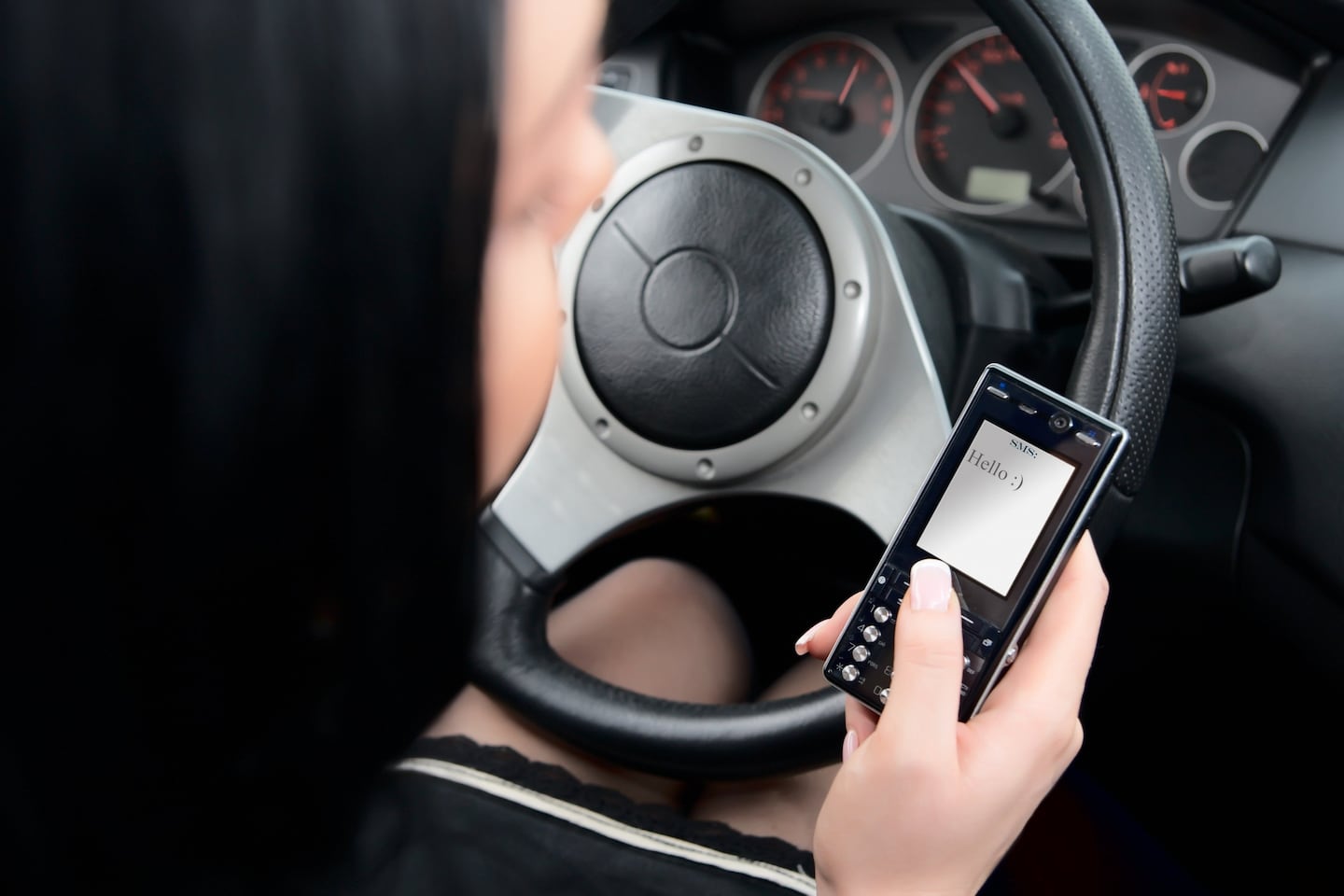
Researchers found at least seven times as many instances of cellphone use in telematics data during the 10 seconds before single-vehicle crashes as are documented in police crash reports.
The findings point to a potentially significant blind spot in efforts to measure distracted driving and develop policies aimed at preventing it.
“It’s not only showing us that drivers aren’t forthcoming with that information, but it’s also just very difficult for officers who are responding to the field to prove at this point,” said Aimee Cox, a research scientist at IIHS.
Researchers compared police crash reports with information collected through voluntary safe driving apps. The technology can detect cellphone activity immediately before a crash, including drivers tapping or swiping their phones.
The study examined crashes in Connecticut, Illinois, Ohio and Texas and did not include Florida.
However, AAA spokesman Mark Jenkins said there is reason to believe Florida faces a similar challenge.
“I think that the situation here in Florida is very similar to what we’re seeing on a national scale,” Jenkins said.
Jenkins said drivers now face a wide range of potential distractions beyond traditional phone calls and text messages, including navigation apps, social media, streaming content and constant notifications.
“Texting, eating, talking, even daydreaming, really anything that takes the driver’s focus away from driving can be enough to put you at risk of a dangerous crash,” Jenkins said.
IIHS says taking your eyes off the road for just two seconds can double the risk of a crash or near-crash.
One reason cellphone distraction can be difficult to document is that, unlike other evidence at a crash scene, it may leave few obvious signs for an investigating officer.
“It doesn’t leave the same visible evidence as vehicle damage or skid marks,” Jenkins said. “By the time law enforcement arrives, the phone may be put away and investigators are left trying to piece together exactly what happened.”
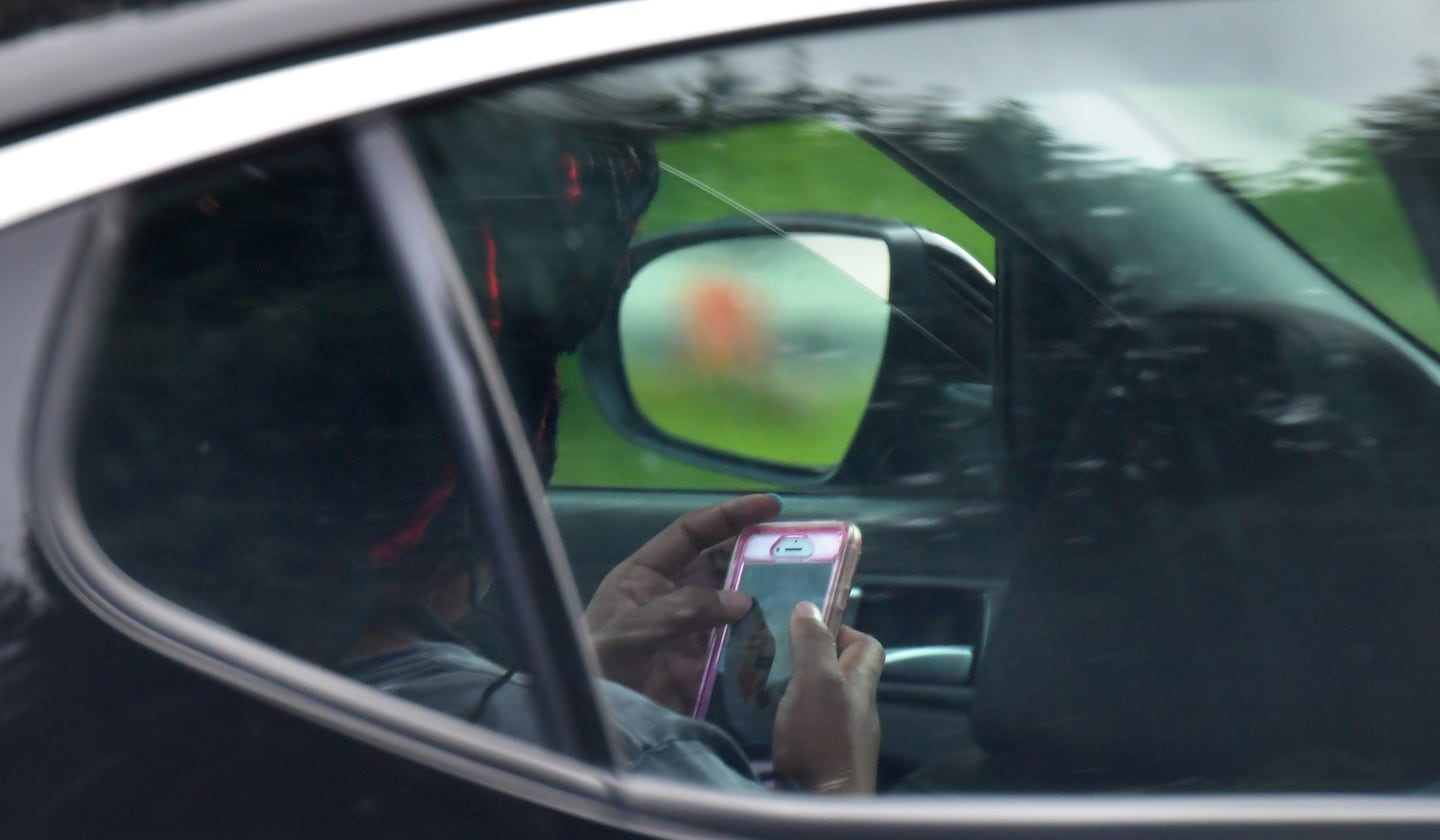
That can leave officers relying on physical evidence as well as what drivers and witnesses tell them about the moments leading up to a crash.
The potential undercount has implications beyond individual crash reports. Researchers say those reports are used to understand traffic safety trends and can help inform laws and other efforts aimed at reducing crashes.
If cellphone use is being missed in a significant number of reports, officials may be working with data that makes the distracted driving problem appear smaller than it actually is.
For researchers and traffic safety advocates, a more complete picture of what drivers are doing in the moments before crashes could help determine how to better prevent them.
Click here to download our free news, weather and smart TV apps. And click here to stream Channel 9 Eyewitness News live.

©2026 Cox Media Group


