ORANGE COUNTY, Fla. — The Orange County Sheriff’s Office found no evidence of criminal neglect or intentional abuse following a months-long investigation into the deaths of dozens of sloths connected to Orlando’s failed Sloth World attraction.
A 44-page investigative report obtained by Channel 9 says the deaths were consistent with a complex animal health event involving disease, transportation stress and other factors, rather than criminal activity or improper care.
The sheriff’s office determined that no further investigative action was warranted. However, the case was referred to the State Attorney’s Office. The report does not indicate whether prosecutors have made an independent decision about possible charges.
Channel 9 first exposed the deaths in April, after obtaining a Florida Fish and Wildlife Conservation Commission report documenting 31 deaths involving two shipments of sloths intended for the attraction.
The case later expanded beyond those original shipments. State officials cited 55 deaths when FWC temporarily stopped sloth imports into Florida in May.
Sheriff’s investigation finds no criminal activity
OCSO’s Agricultural Crimes Unit began reviewing the case in May after FWC completed its initial investigation.
The sheriff’s office inspected Sloth World’s proposed attraction and quarantine facilities, interviewed owners, former employees, veterinarians and sloth experts, and reviewed inspection reports, medical records and necropsy findings.
The final report states that investigators found “no evidence” of intentional harm, abuse, criminal neglect or a failure to provide necessary care.
Investigators said Sloth World personnel documented food and water, monitored temperature and humidity, observed the animals and provided access to veterinary care. The report also said the facilities maintained required standards and complied with state inspections at the time they were examined.
“Based on the totality of the evidence reviewed, the deaths are consistent with a multifactorial animal health incident rather than the result of criminal activity or improper care,” the report states.
No defendant is listed in the case.
Representative Dr. Anna V. Eskamani released a statement in response:
“I want to thank the Orange County Sheriff’s Office for the rigor they brought to this investigation and for taking our concerns and the community’s concerns so seriously. Over more than three months, their detectives reviewed facility records, veterinary and diagnostic documentation, and inspection histories, and conducted more than twenty interviews with state and national experts. They did their job thoroughly and professionally, and under current law, I accept that the conclusion they reached.
That is why we need to change the law and rules governing captive wildlife in Florida. Dozens of sloths were captured, shipped across the world, and died, and under Florida law as it exists today, no one is held accountable. That is not a failure of the investigators. It is a failure of our statutes and our rules. When a facility can be in full compliance with every applicable state standard and animals still die by the dozens, the standards themselves are the problem. Compliance is not the same as care.
I will be working with my colleagues in the Legislature, with FWC, and with wildlife and veterinary experts to strengthen Florida’s rules on the importation, permitting, and housing of exotic and highly specialized species, and to close the gaps this case exposed. No animal should be brought into our state to suffer and die because our laws were too weak to stop it. I am grateful to every Central Floridian who refused to let this go. Your voices are why this case was investigated at all, and they are why the law and rules will change.”
Medical findings point to disease and stress
The report describes widespread medical problems affecting the sloths’ respiratory, gastrointestinal, nutritional, metabolic, immune and neurological systems.
University of Florida veterinary forensic pathologist Dr. Adam Stern concluded that the findings were consistent with a systemic disease process that was most likely viral.
Testing identified several viruses, including sloth gamma herpesvirus, Changuinola virus and a possible parvovirus-like particle. Other viruses remained under genetic analysis.
Stern’s findings said transportation and other stressors could have weakened the animals’ immune systems, allowing latent or newly acquired infections to spread. The report identified housing, environmental conditions, nutrition, crowding and chronic stress as possible contributing factors.
Investigators concluded that the deaths were likely not caused by a single pathogen or event. Instead, they pointed to the combined effects of capture, transportation, acclimation and continued care of a highly specialized species.
Experts disagreed about the primary cause
Not every expert interviewed by investigators agreed that a viral disease was the most likely explanation.
Debra Dial, a sloth expert and coordinator for an Association of Zoos and Aquariums species program, told investigators that some of the viruses identified are commonly found in wild sloth populations.
Dial said the pattern of deaths did not appear consistent with a typical viral outbreak because animals of different ages and origins experienced similar problems. She believed an acute event involving environmental or husbandry conditions was more likely.
The report says Dial raised concerns about temperature changes, dehydration, secondary pneumonia and the size of some temporary cages.
She also said some sloths may have been in poor condition before reaching Florida. Those concerns included young animals being separated from their mothers too early, improper diets before export and the stress of international transportation.
Dial told investigators that determining criminal neglect would depend partly on whether Sloth World had access to professional help and sought assistance. She noted that the attraction’s owners hired veterinarians, paid for treatment and consulted outside experts.
Former employees also told investigators that the operation became overwhelmed as medical problems increased. One former worker said the owners did not appear to be intentionally neglecting or abusing the animals, but lacked sufficient knowledge and experience.
Zoo veterinarians describe animals in poor condition
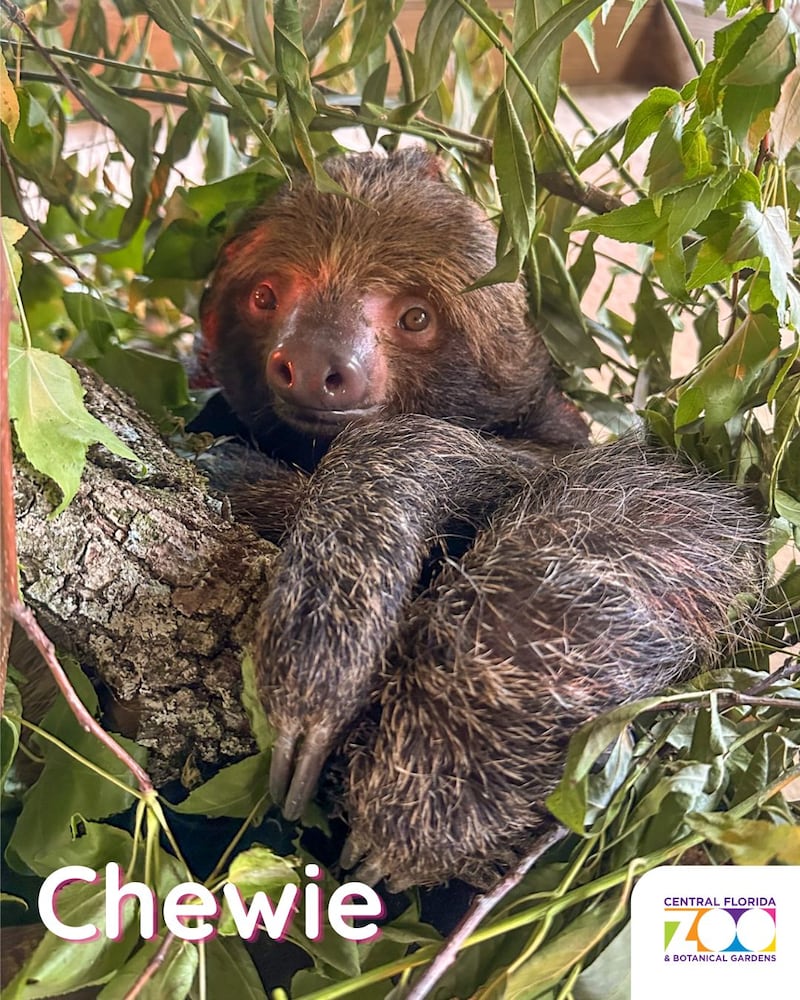
The Central Florida Zoo accepted 13 surviving sloths from Sloth World in April.
Zoo employees told investigators that several animals needed immediate medical attention when they arrived. Some were extremely thin, while others were experiencing diarrhea, dehydration, low blood sugar and other serious health problems.
Bandit, one of the most critically ill sloths, was found on the floor of his enclosure before the transfer. A necropsy later determined that Bandit died from severe emaciation and abnormal fluid buildup.
Zoo veterinarians told investigators the gastrointestinal disease affecting the animals was likely caused by multiple factors, including stress, diet, temperature regulation, antibiotic use and environmental conditions.
The report also says zoo veterinarians questioned the frequent use of the antibiotic enrofloxacin because antibiotics can disrupt a sloth’s sensitive gut microbiome.
0 of 9


Previous investigations documented preventable conditions
The original FWC investigation found that 21 sloths imported from Guyana died in December 2024.
The animals were being held at an Orlando warehouse where multiple heaters were being used to maintain the temperature. An electrical breaker tripped, cutting power to the heaters. The deaths were described as resulting from “cold stun.”
Ten additional sloths arrived from Peru in February 2025. Two were dead when the shipment arrived, while the remaining eight were in poor health and later died.
FWC later cited the operation for keeping other sloths in temporary cages that were too small under Florida requirements. The enclosures were subsequently corrected.
Later inspections found the surviving animals had food, water and appropriate housing, according to the agency.
FWC announced in July that its investigation also found no evidence of criminal neglect or abuse.
The agency said it did not receive the tip that prompted its first inspection until months after the original 31 animals had died.
Owners deny neglect
Sloth World owner Ben Agresta and former manager Peter Bandre denied neglecting or mistreating the animals.
Agresta told investigators that all the imported sloths were wild-caught because captive-bred animals were unavailable for export. He said Sloth World requested adult animals meeting minimum weight requirements, but exporters sometimes sent younger animals.
Bandre attributed the high mortality among sloths imported from Peru to improper nutrition before shipment, inexperienced exporters, shipping delays, temperature exposure during transportation, dehydration and gamma herpesvirus. He maintained that the deaths resulted from conditions occurring before the animals reached Sloth World rather than inadequate care at the facility.
Agresta said the company funded veterinary care, equipment and facility improvements. Bandre told investigators that Sloth World maintained detailed feeding, hydration, medication and husbandry records and followed veterinary recommendations.
Sloth World never opened as originally planned, and its wildlife permits were later relinquished to FWC.
The deaths prompted Florida to temporarily halt additional sloth imports while regulators developed new requirements. FWC also began requiring advance notice before sloths are brought into the state, allowing inspectors to examine facilities before the animals arrive.
Although the Sheriff’s Office determined that no further investigative action was warranted, the case was referred to the State Attorney’s Office for independent review. The report does not indicate whether prosecutors have reached a decision.
Click here to download our free news, weather and smart TV apps. And click here to stream Channel 9 Eyewitness News live.

©2026 Cox Media Group


